A Quiet Courtyard
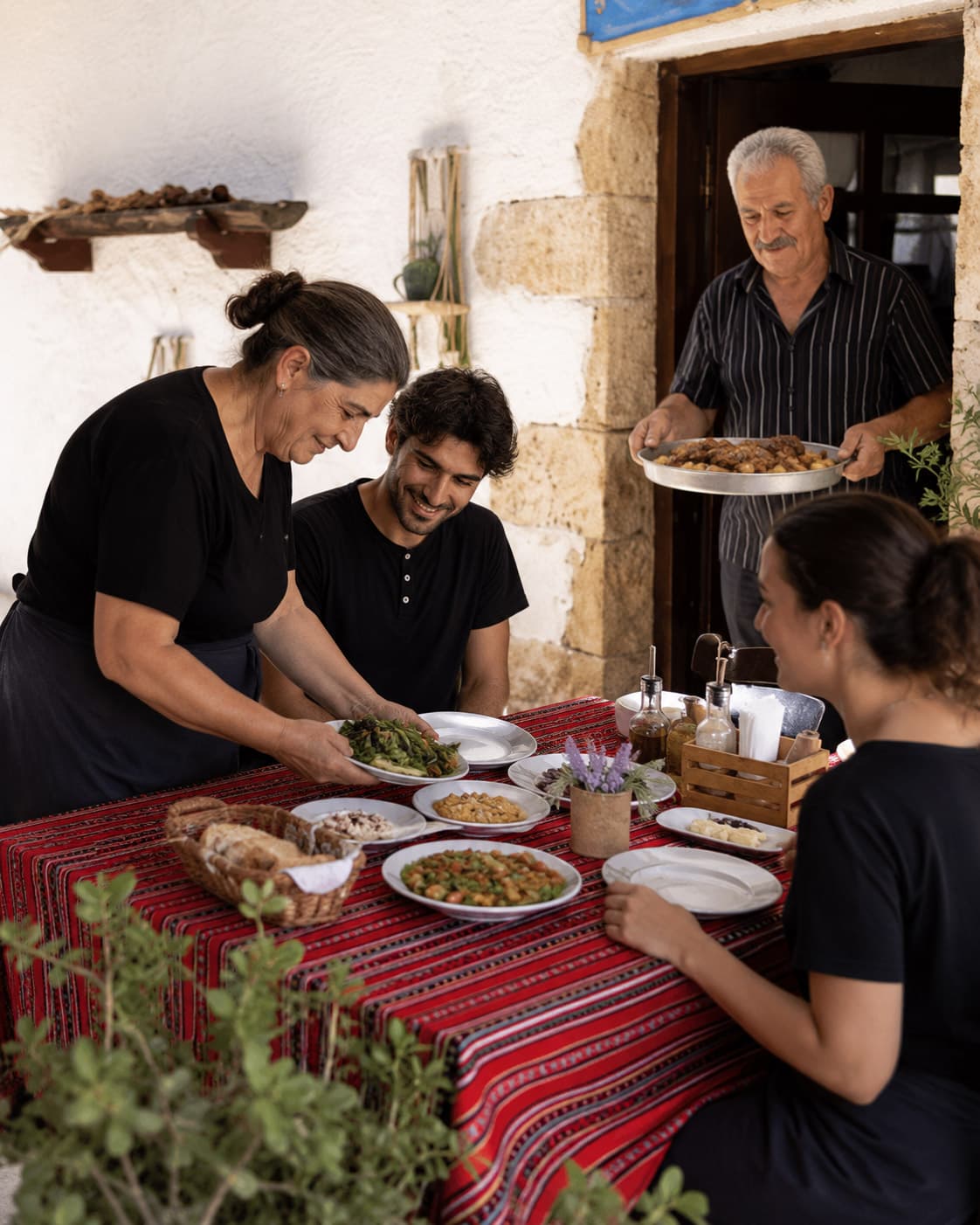
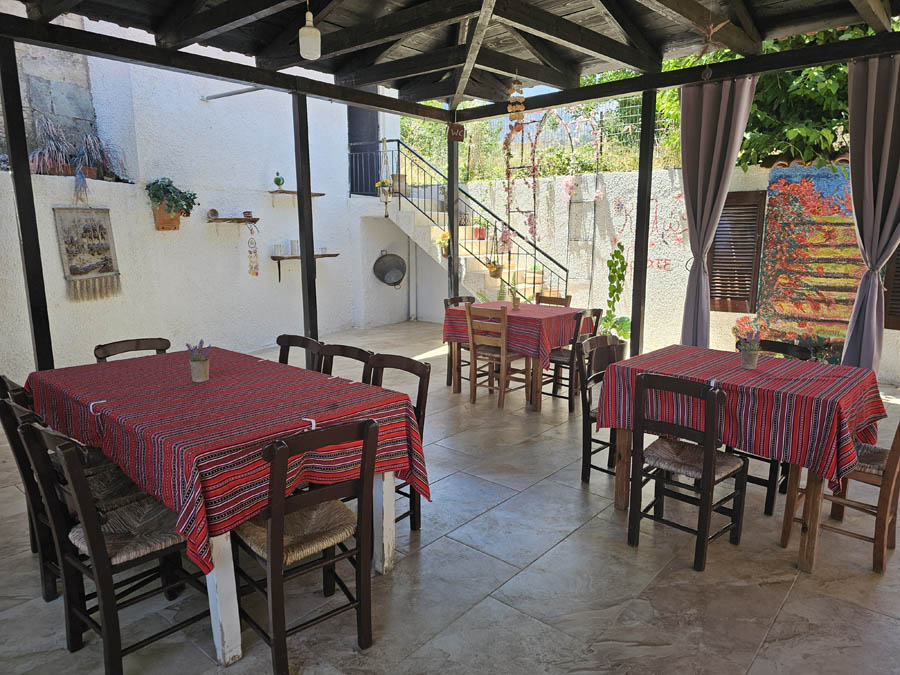
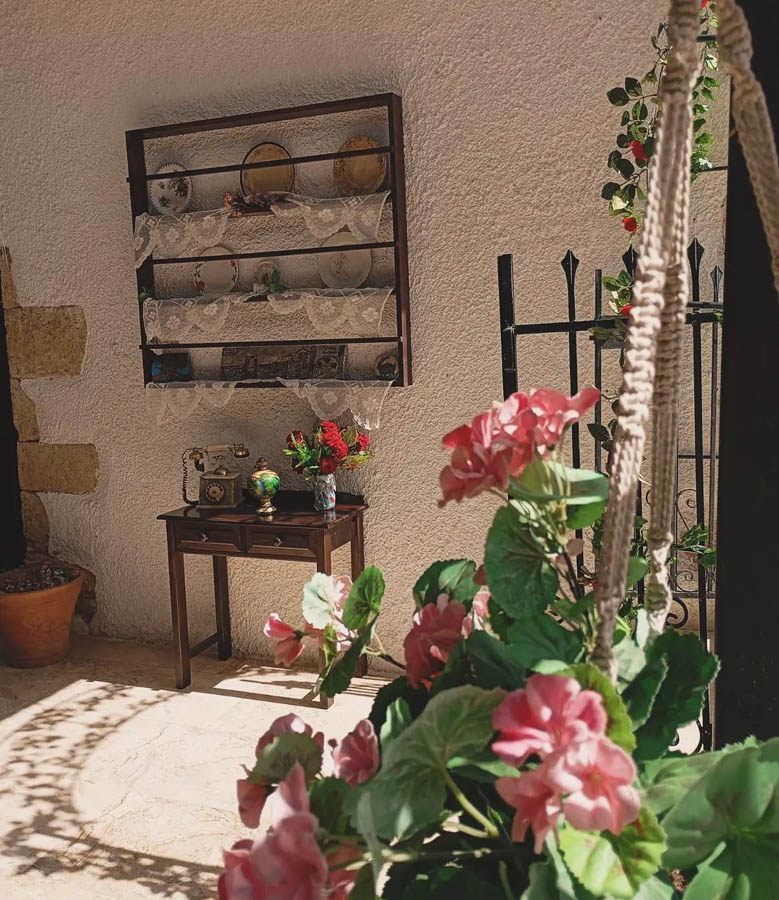
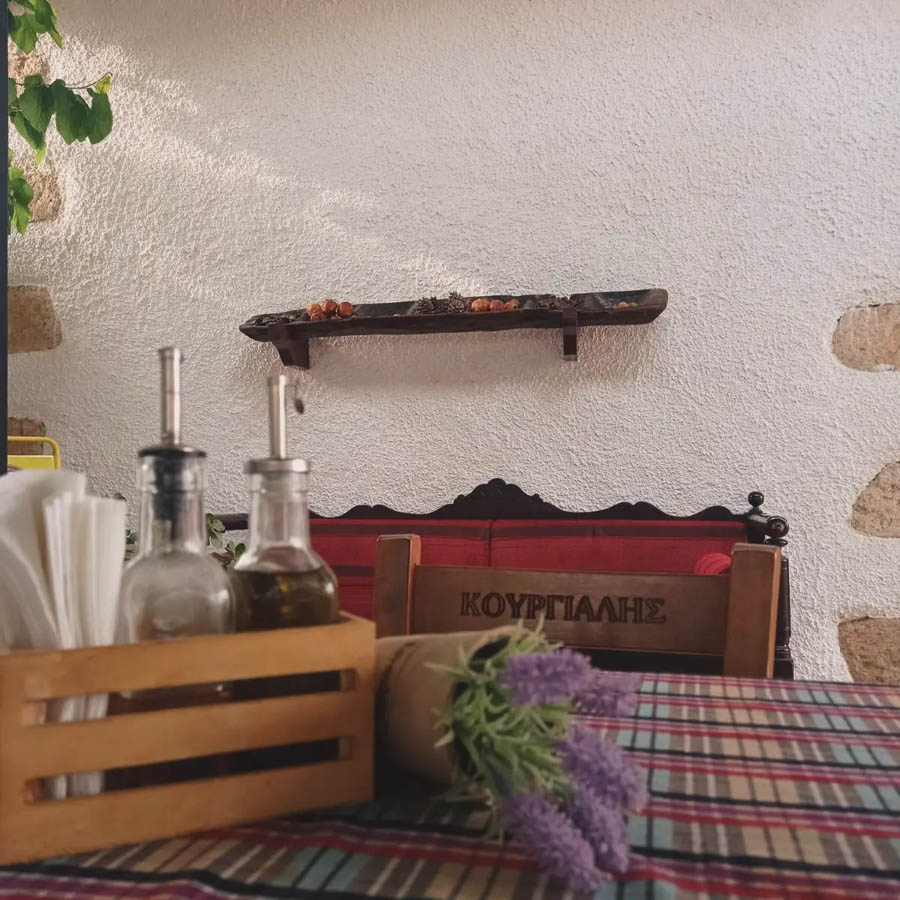
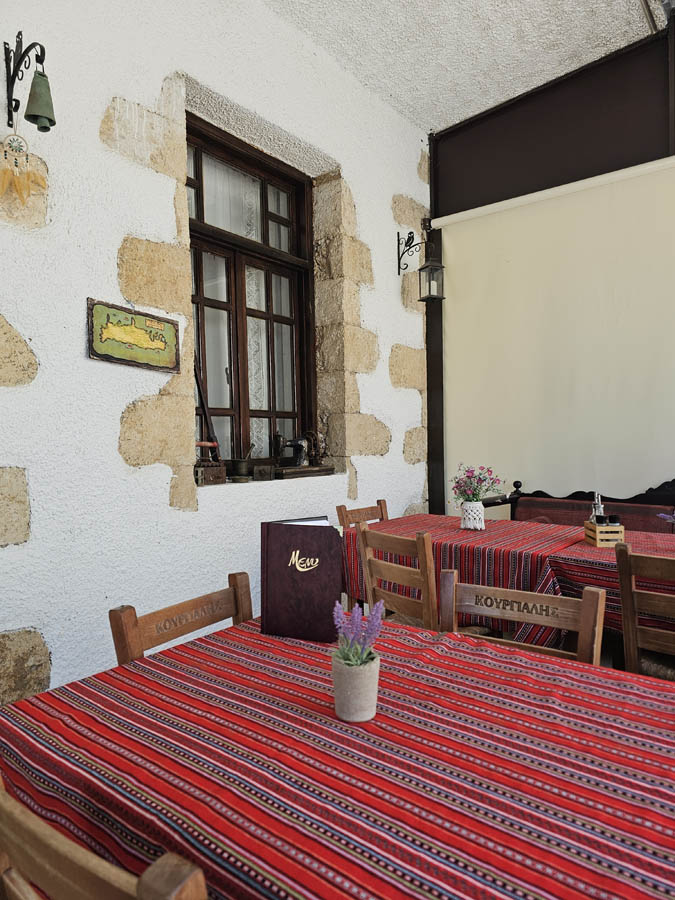
Dine beneath the vines and olive trees in a shaded, peaceful courtyard far from the crowds and noise of the coast.
Embrosneros · Apokoronas · Chania
A family table in the foothills of the White Mountains — wood-fired antikristo lamb, dishes from recipes passed down through generations, and the kind of welcome only a Cretan village can give.
Our Story
For over four decades, the Kourgialis family has kept the same fire burning in Embrosneros — a small, historic village in the green hills of Apokoronas, between Chania, Sfakia and the White Mountains. What began as a family kitchen has grown into a taverna where guests are treated like neighbours.
Everything we serve carries the taste of this place: olive oil pressed from the surrounding groves, greens gathered from the hillsides, cheeses from local shepherds, and meat cooked slowly over open coals the way our grandparents did. Recipes here are not trends — they are inheritance.
Pull up a chair in our quiet courtyard, share a carafe of raki, and let an unhurried Cretan evening unfold.
— The Kourgialis Family
The Experience
No rush, no pretence — just honest food, a shaded courtyard and the warm rhythm of a Cretan evening.
Dine beneath the vines and olive trees in a shaded, peaceful courtyard far from the crowds and noise of the coast.
Recipes handed down through generations and cooked the traditional way — including our signature antikristo over open coals.
Mountain greens, village cheeses, our own olive oil and herbs from the hills — sourced from the land that surrounds us.
Genuine village philoxenia — you arrive as a guest and leave as part of the family, often with a glass of raki on the house.
Tucked into the foothills of the White Mountains, with cool evening air, wild almond forests and far-reaching village views.
Tables are yours for the whole night. Linger over dessert, order another carafe of wine, and let time slow down.
Upon Request
Our most special dishes are cooked the old way and take time. Order a day in advance and we’ll have lamb roasting upright around the open fire — antikristo — ready for your table. Perfect for groups and celebrations.
The Art of Antikristo
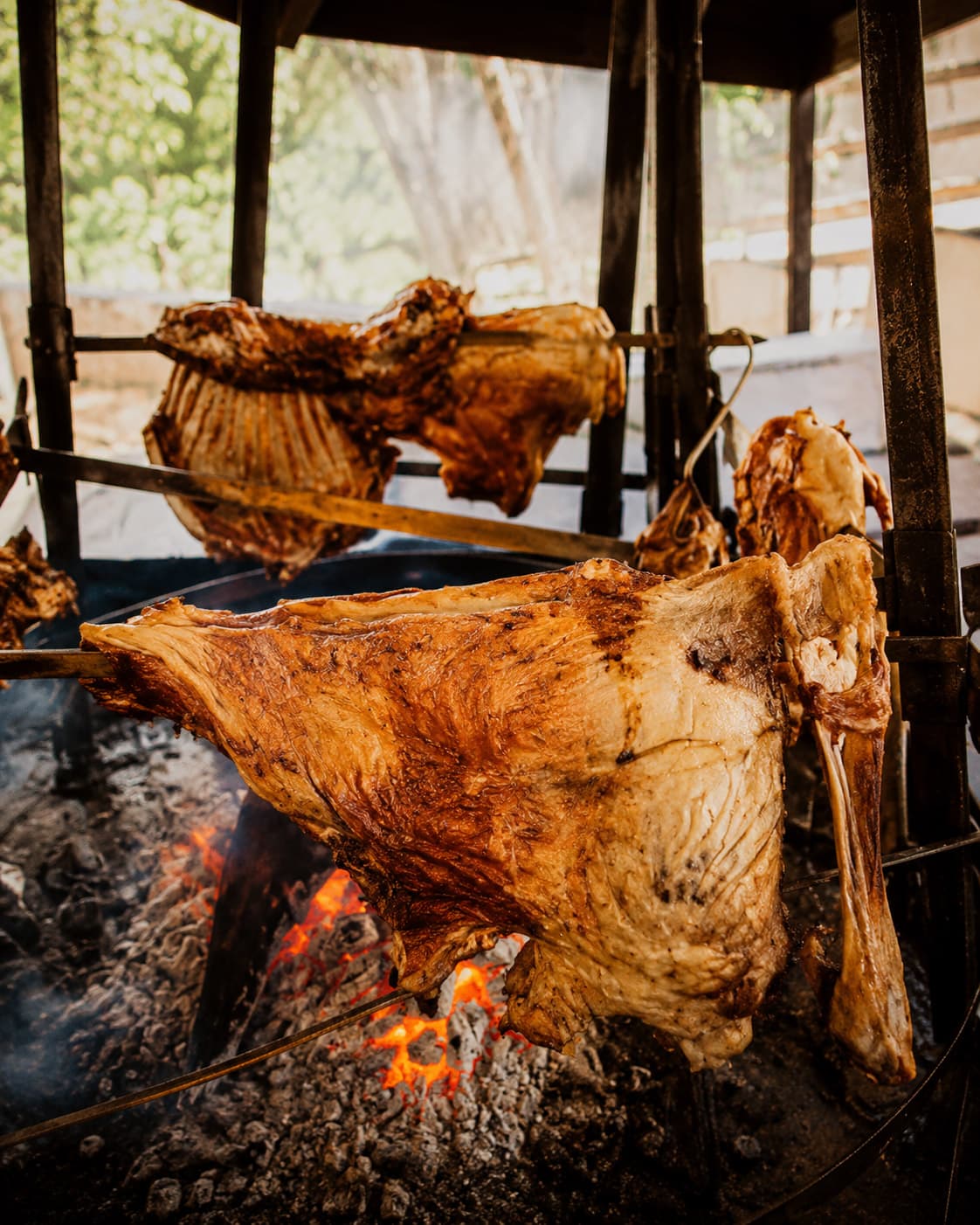
The antikristo is a method of cooking meat with the fire facing opposite the meat. In the old days, shepherds living in the mountains of Crete did not have much at their disposal — they had meat, a knife and salt.
The antikristo takes skill and patience. First the meat is cut into four pieces, and the roasters carefully pass a pointed stick or metal rod through each one. Salt is then added generously. A pit is dug and filled with wood — mainly olive wood — to build a large fire, and more wood is placed around the perimeter, always accounting for the intensity of the fire, the distance of the meat, and even the direction of the wind.
The meat simmers for four to six hours, depending on the fire and the wind. When it is ready, it is lifted from the flames and cut into smaller pieces to serve. Antikristo is prepared mainly for special occasions and family gatherings, usually served with a squeeze of lemon — and alongside French fries, salad, bread and tzatziki, it becomes the star of any celebration.
Location & Nearby
Nestled in the foothills of the White Mountains in the region of Apokoronas, our village sits perfectly between Chania, Sfakia and the mountains — an ideal base for exploring western Crete.
Surrounded by olive groves, wild almond forests and rugged gorges, Embrosneros offers a rare glimpse into the island’s history and natural beauty. Just a short walk away stands the historic Alidakis Chateau, one of the most important monuments of Ottoman Crete, while the nearby Kryonerida Cave preserves moving stories from the Cretan Revolution of 1821.
Spend your day discovering mountain villages, hidden chapels and the largest wild almond forest in Crete — then come back to relax over dinner with us. Below, how long it takes to reach the highlights from our door.
Historic Sites Around the Village
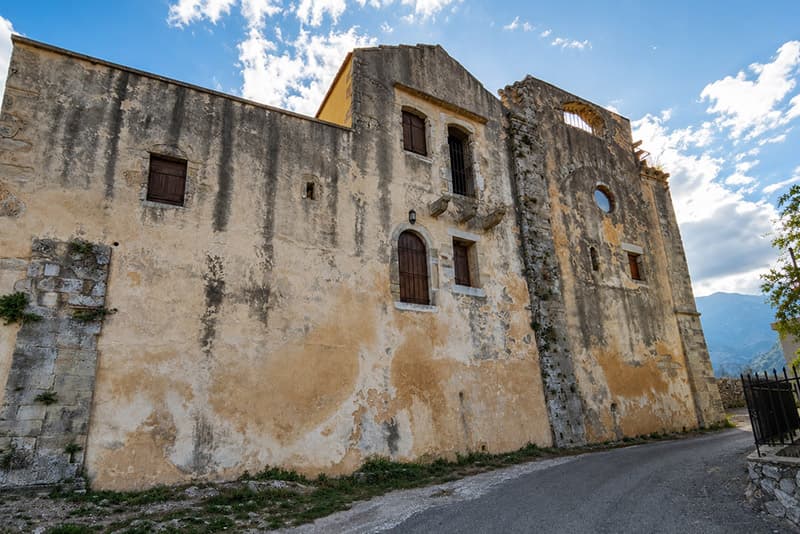
A short walk from the village stands one of the most important monuments of Ottoman Crete. Built by Ibrahim Alidakis in the 18th century, the fortress once dominated all of Apokoronas. Its dome and stone walls still recall the dramatic events of 1774, when Sfakian rebels captured it and ended his rule.
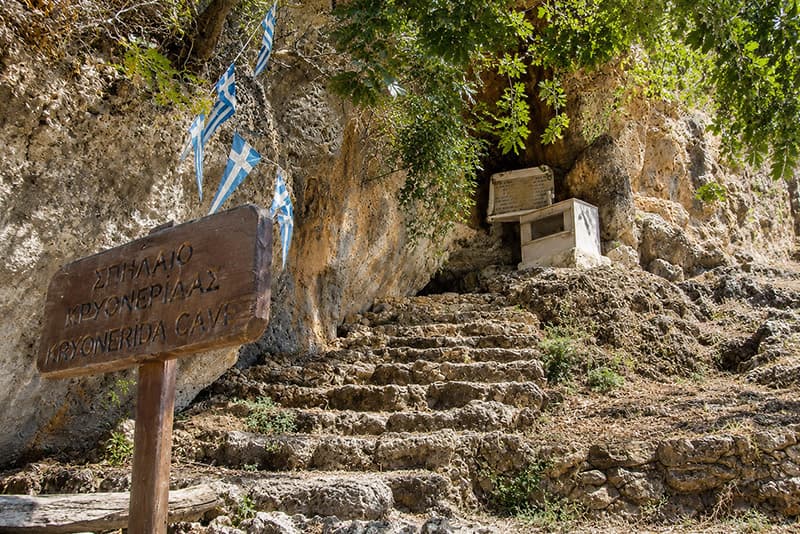
Only minutes away near Vafes, this cave sheltered local villagers from Ottoman forces during the Cretan Revolution of 1821. Its cool spring water gave it its name, and its chambers still preserve one of the most moving stories in Cretan history — a place of reflection and natural beauty.
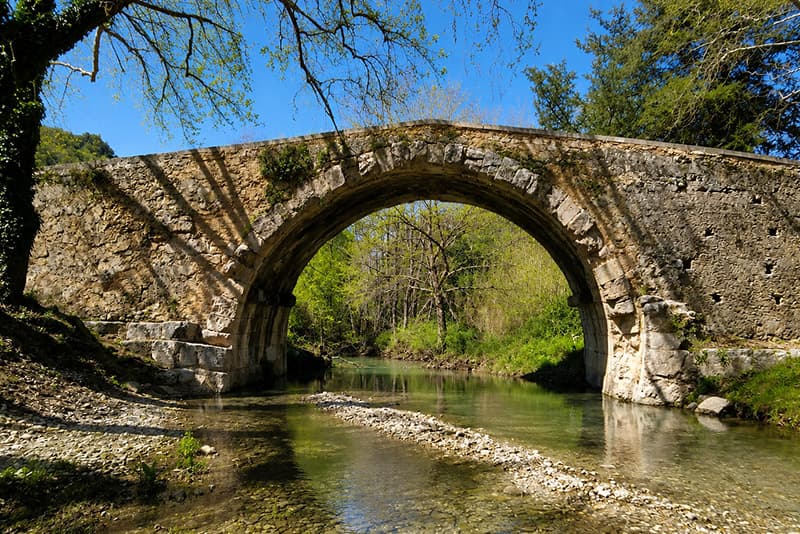
The Greek Arch (Elliniki Kamara) is one of Crete’s oldest surviving stone bridges, dating back to the Hellenistic period with later Venetian and Ottoman additions. Set in an area rich in archaeological history near Vrisses, it is surrounded by local legends, making it a fascinating stop for history lovers and photographers alike.
Gallery
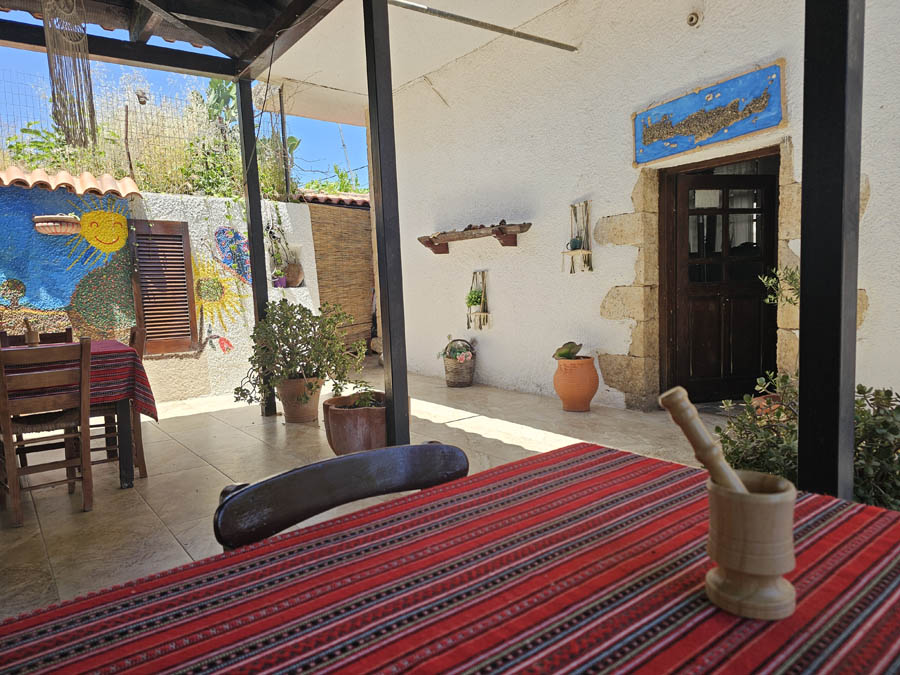
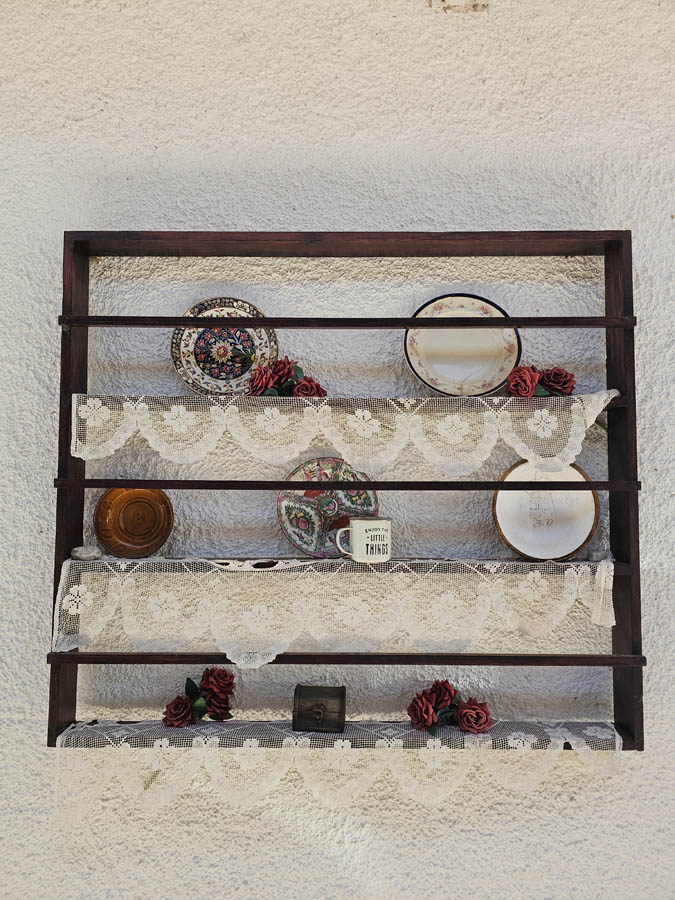
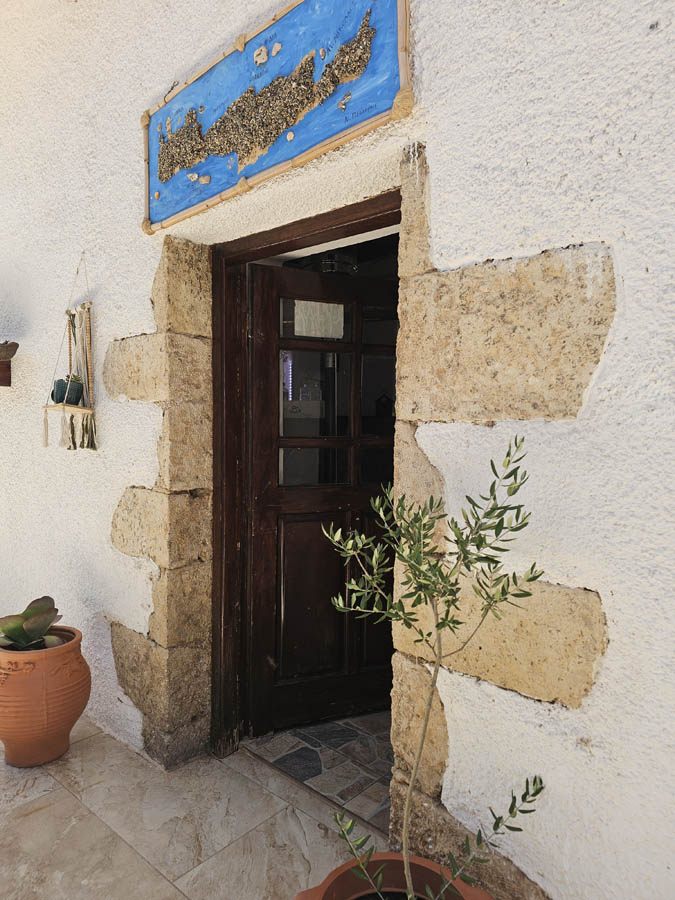
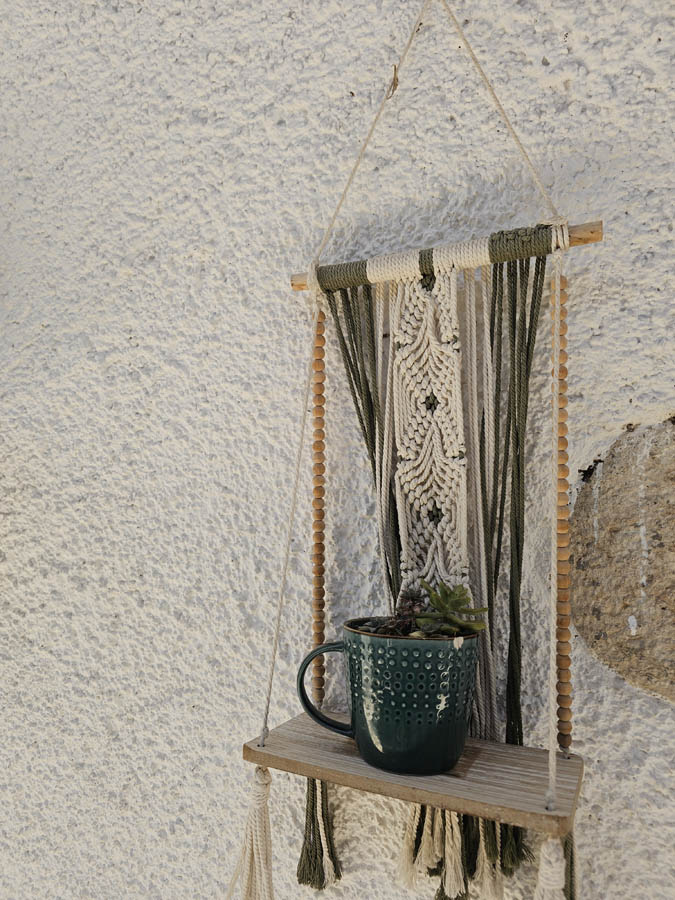
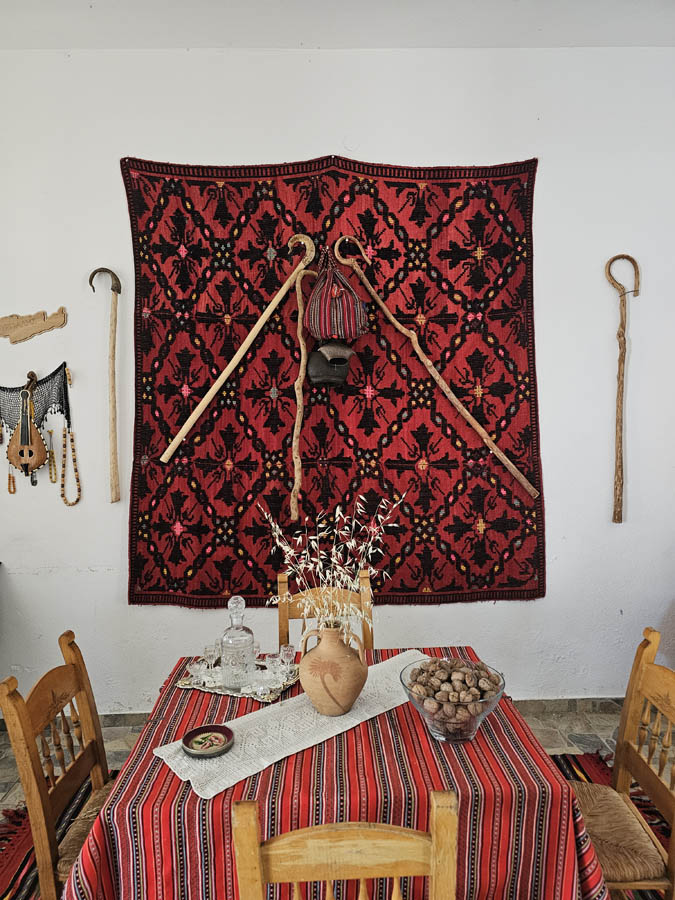
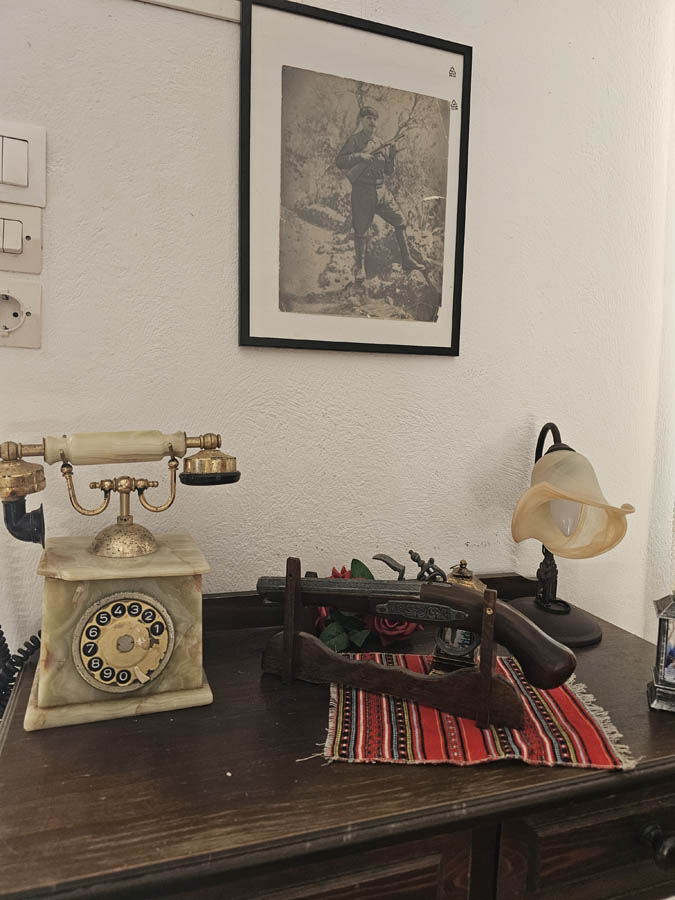
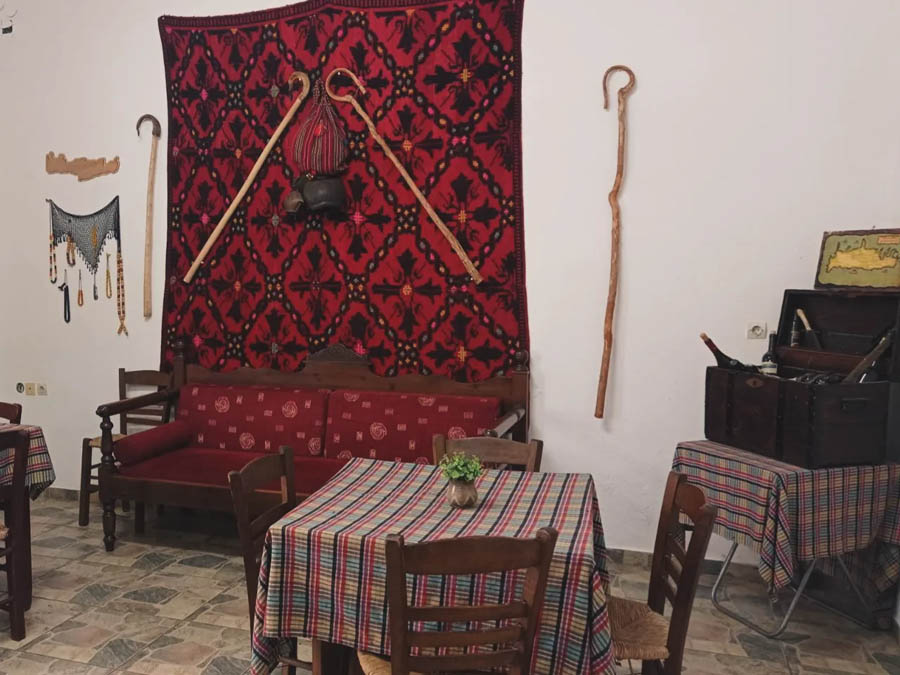
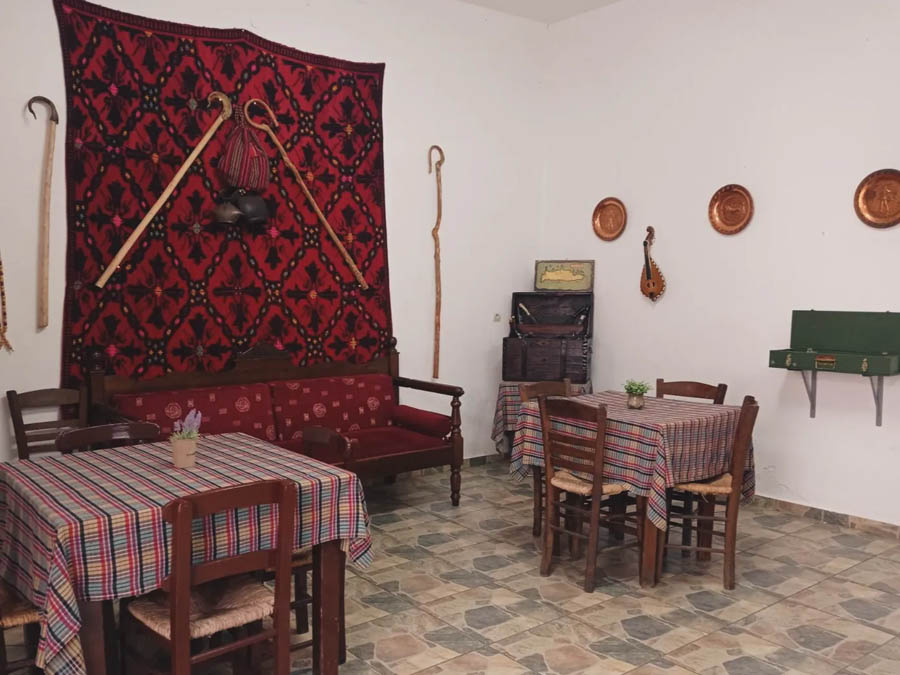
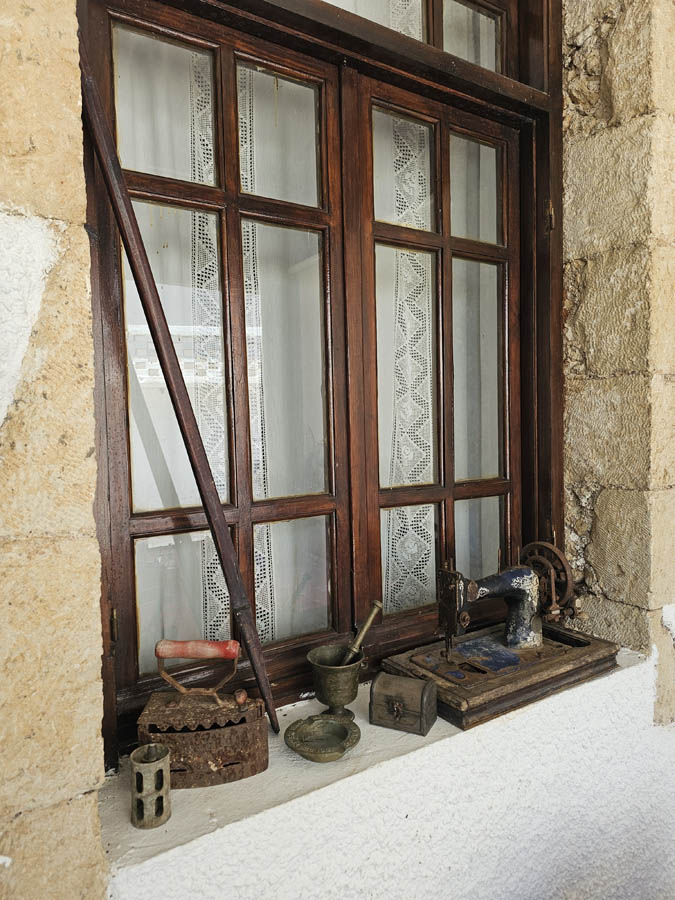
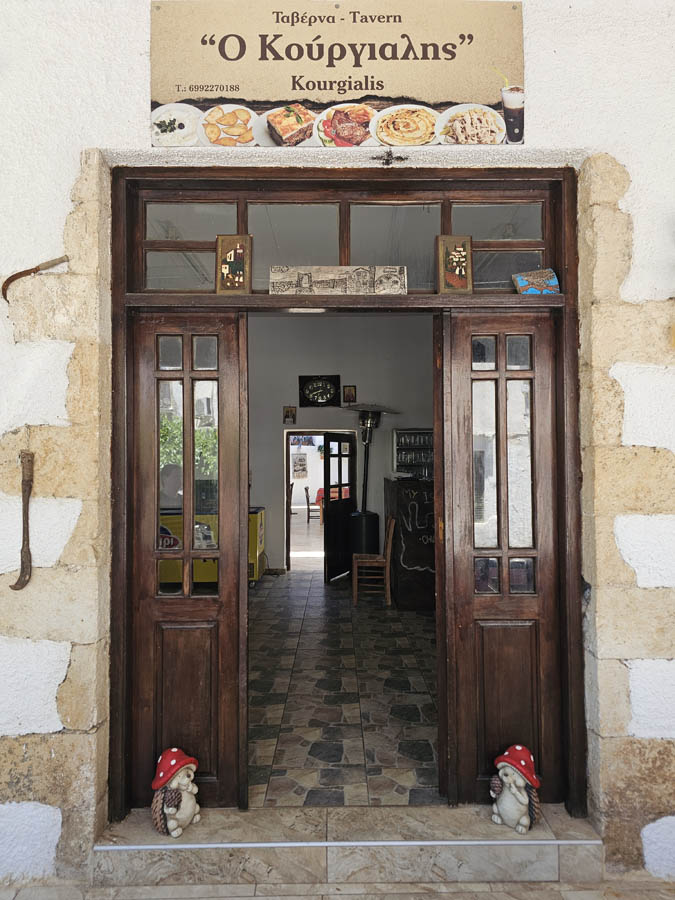
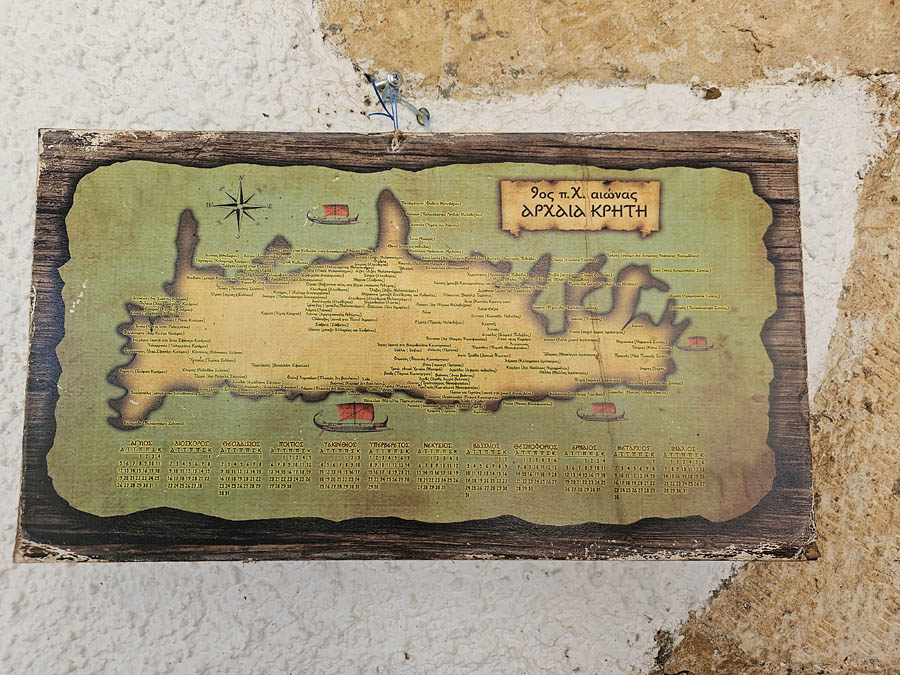
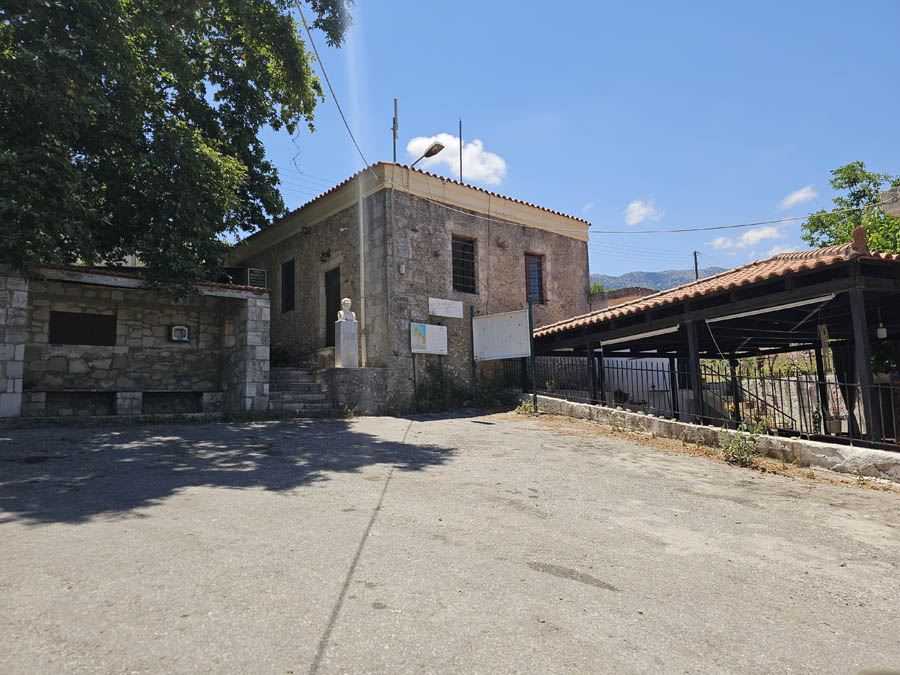
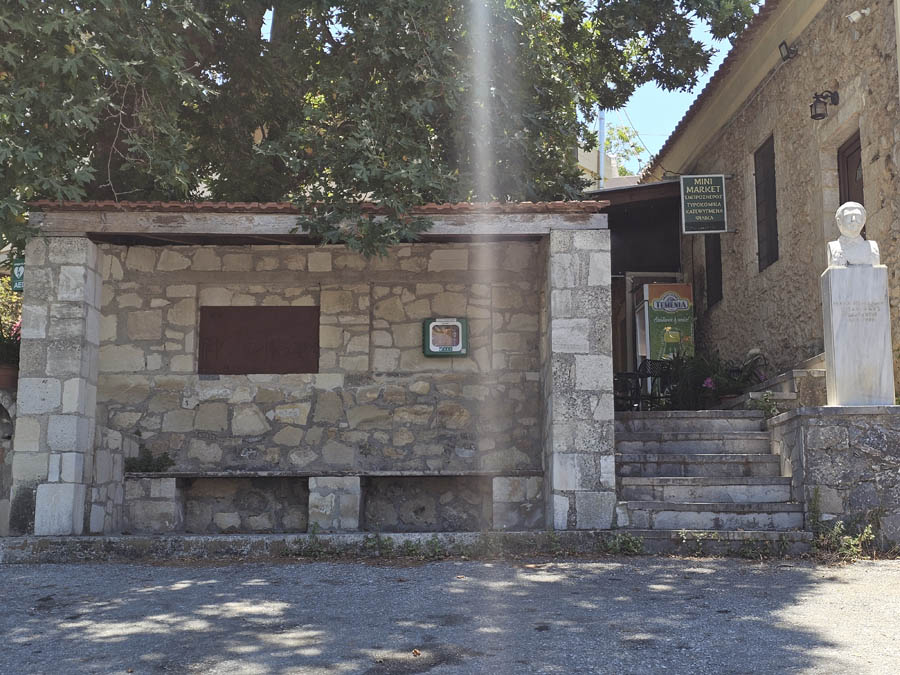
Our courtyard, our details, and the traditional atmosphere.
Reviews
A few words from guests who found us in the hills of Apokoronas.
“We ordered the antikristo a day ahead and it was the best meal of our entire trip to Crete. The family treated us like old friends and refused to let us leave without raki.”
“A real, unspoiled Cretan taverna away from the tourist traps. The dakos, the local greens, the staka — everything tasted like it came straight from the garden. Worth the drive up the mountain.”
“The setting is magical — a quiet courtyard under the vines with the White Mountains behind. We stopped on the way to Sfakia and ended up staying for hours. Don’t miss the sfakian pie with honey.”
Good to Know
Reserve a Table
Tell us when you’d like to visit and how many you’ll be, and we’ll get your table ready. For antikristo and village feasts, please book at least a day ahead.
Taverna Kourgialis is accessible for visitors with disabilities, with a dedicated entrance ramp.
Visit Us
Embrosneros Village,
Apokoronas, Chania,
Crete, Greece
Kitchen open all day. Hours may vary in winter — call ahead.